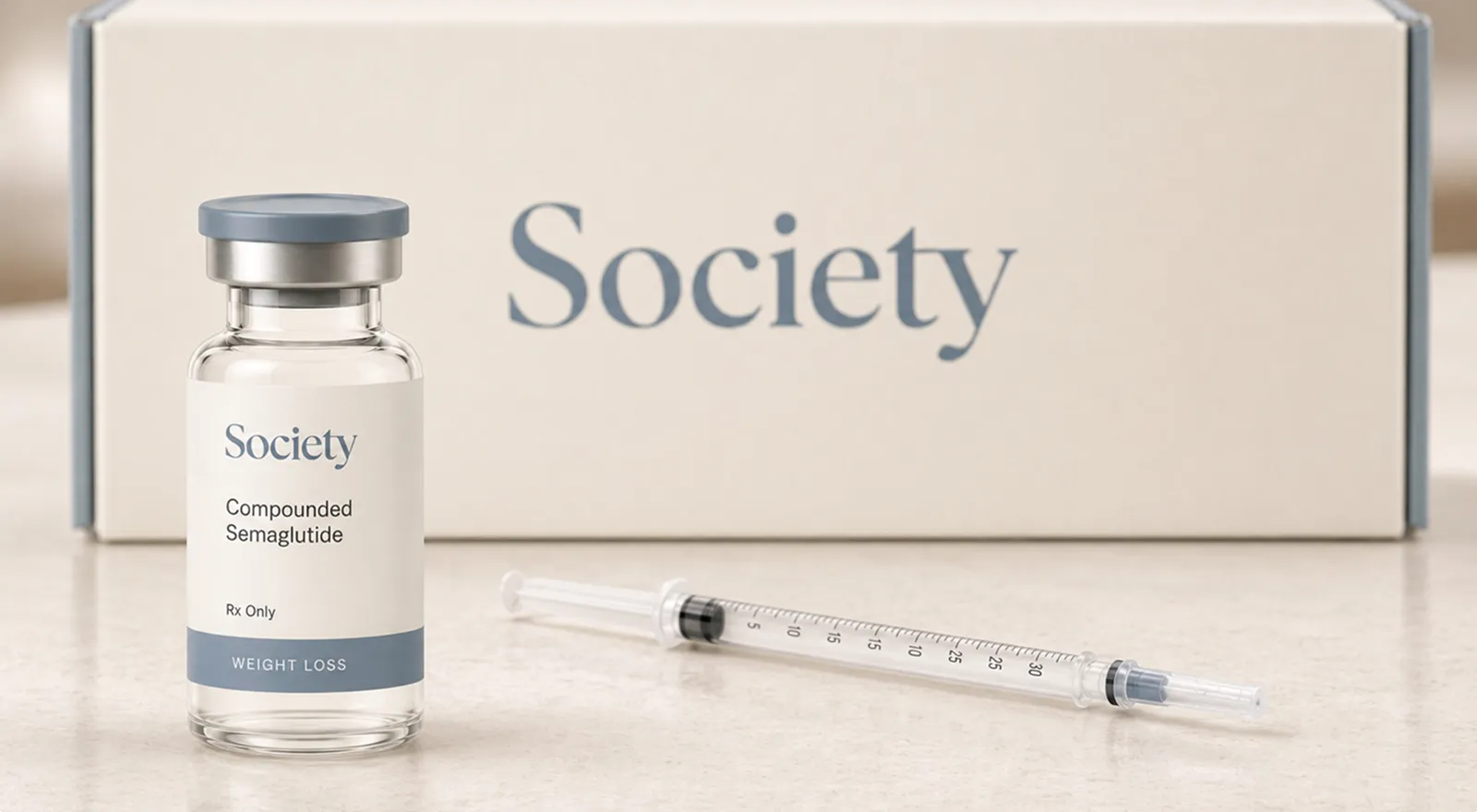
Step 1: Wash your hands and gather your supplies
Wash your hands
Wash thoroughly with soap and water before handling your medication.
Gather your supplies
You'll need:
  • your medication
  • syringe
  • alcohol wipe
  • cotton ball or gauze
  • sharps container.
Storage instructions
Keep refrigerated
Store between 36–46°F.
Protect from light
Keep medication in its original packaging until use.
Never freeze
Discard medication if it has been frozen.
Keep refrigerated
Don't let the needle come in contact with anything.
Step 2: Check your medication
Сonfirm your name and prescription
Make sure the medication label matches your name and the prescription provided by your healthcare provider.
Verify the dose
Check that you're drawing the correct prescribed dose according to your treatment schedule.
Check the expiration date
Do not use the medication if the expiration date has passed or the product is no longer within its recommended use period.
Ensure the medication is clear and free of particles
The liquid should be clear, colorless, and free of any visible particles before each injection.
Quality Check
Never use medication that appears cloudy, discolored, or damaged.
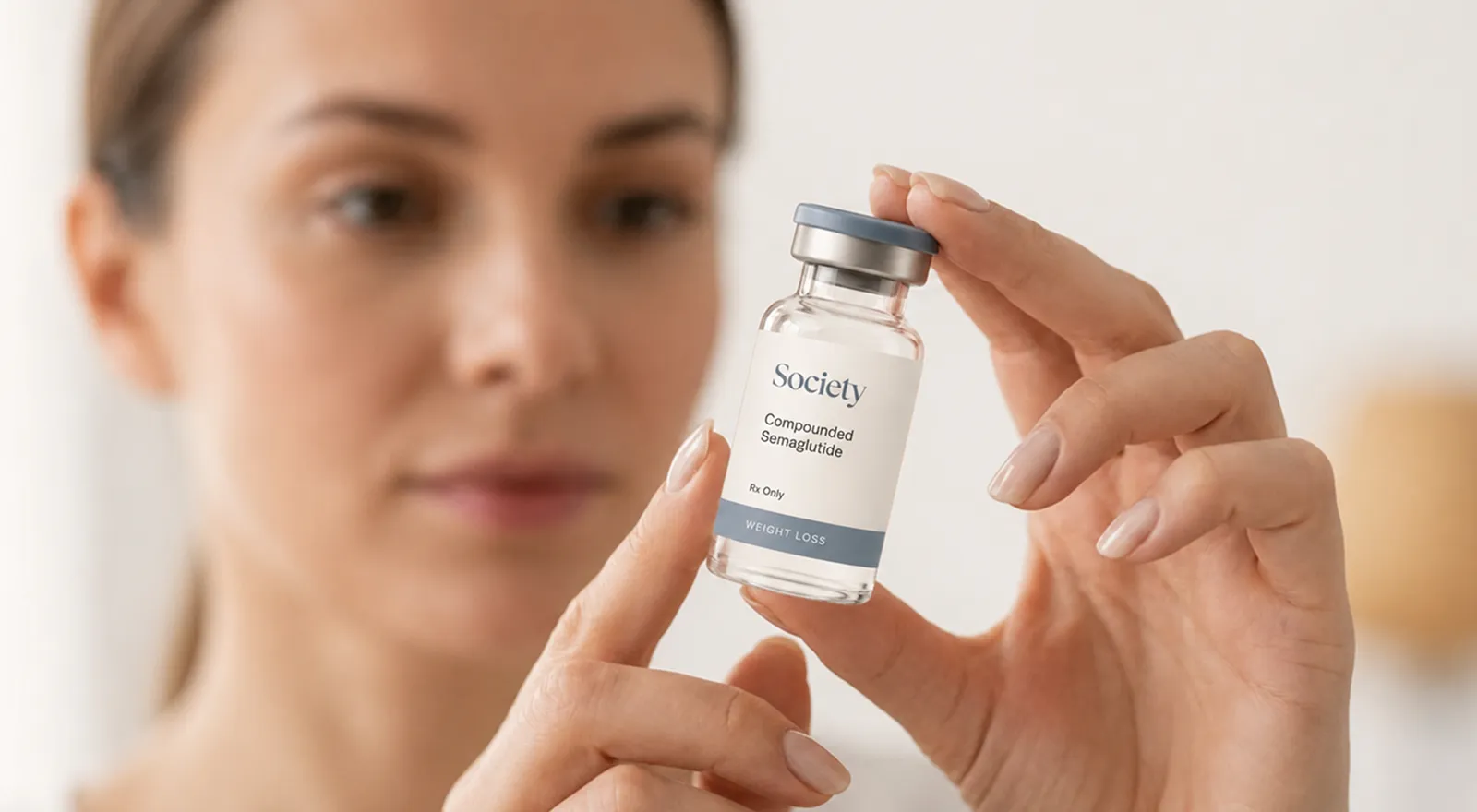
Check the vial before use
Liquid appearance
The liquid inside the vial is not clear.
Expiration date
The expiration date (EXP) has already passed.
Step 3: Choose an injection site
Injection site
Select your abdomen, thigh, or upper arm as the injection site.
Avoid
  • bruises
  • scars
  • stretch marks
  • irritated skin
  • areas that are swollen or painful.
Rotate your injection site each week to help minimize skin irritation.
Clean skin
Clean the area with an alcohol swab or soap and water, then let it dry completely.
Always remember
Rotate sites
Rotate injection sites, but avoid using the exact same spot each time.
Bare skin
Inject directly into clean, bare skin for each dose.
Avoid irritation
Do not inject into skin that is sore, bruised, red, or firm.
Avoid scars
Avoid injecting into areas with scars or stretch marks.
Step 4: Inject your medication
Prepare the syringe
Remove the syringe from its packaging and ensure it is ready to use.
Draw your prescribed dose
Insert the needle into the vial and slowly draw the prescribed amount of medication. Remove any visible air bubbles if instructed by your provider.
Pinch the skin
Gently pinch a fold of skin to create a stable injection site.
Insert the needle
Insert the needle into the pinched skin at a 90° angle, unless your provider instructed otherwise.
Inject slowly
Press the plunger until the medication has been fully delivered.
Hold the needle in place for several seconds before removing it.
Dispose safely
Place used needles and syringes into an approved sharps container.
Never reuse needles or dispose of them in household recycling.
Always remember
Choose support
Use a firmer injection site, such as your
thigh or upper arm, if needed.
Remove air bubbles
Small air bubbles can usually be removed by gently tapping the syringe before injecting.
Use a steady grip
Hold the syringe firmly to keep the needle stable during the injection.
Wait before removing
Keep the needle in place for 5–10 seconds before removing it.
Step 5: Dispose of your syringe safely
Discard the used syringe
Place the used syringe and needle into an approved sharps container immediately after use.
Dispose of it properly
Take the sealed sharps container to a local pharmacy or approved collection site for safe disposal.

Get answers to frequently asked questions about administering your injections safely and confidently.

Message us
© 2026 Society. All rights reserved.
* Individual results may vary, and not all patients will qualify for treatment. Always consult a licensed healthcare provider before starting or modifying any medical treatment.

Society facilitates access to consultations with independent, licensed healthcare providers who evaluate each patient and determine eligibility for treatment. Prescription products require an online medical evaluation. Medications are prescribed by independent physicians and dispensed by licensed U.S. pharmacies or a patient's preferred pharmacy. Only a qualified healthcare provider can determine whether a treatment is appropriate for an individual's specific medical needs.
Providers are licensed in the state where the patient is located at the time of consultation, and availability may vary by state.
Society's services are intended for individuals 18 years of age or older. Age verification may be required as part of the intake process.
‍Society partners with licensed U.S. pharmacies. Certain treatments may include compounded medications, which are not FDA-approved and have not been evaluated by the Food and Drug Administration for safety, efficacy, or quality. Compounded medications may be prescribed by a healthcare provider based on individual patient needs or during periods of drug shortages. FDA-approved GLP-1 medications—such as Ozempic® (semaglutide), Wegovy® (semaglutide), and Zepbound® (tirzepatide)—are not compounded. Society is not affiliated with, endorsed by, or sponsored by the manufacturers of these products. All trademarks and brand names belong to their respective owners.
GLP-1–based treatments may carry risks, including the potential for thyroid C-cell tumors. These medications should not be used by individuals with a personal or family history of medullary thyroid carcinoma (MTC) or Multiple Endocrine Neoplasia syndrome type 2 (MEN 2). Please consult a healthcare provider for complete prescribing and safety information.
Prescription medications are dispensed only when determined appropriate by a licensed healthcare provider following an online medical evaluation. No prescription is guaranteed, and treatment decisions are made solely at the prescriber's clinical discretion.
Statements on this website have not been evaluated by the Food and Drug Administration and are not intended to diagnose, treat, cure, or prevent any disease. Images shown are for illustrative purposes only; actual product appearance may vary.