
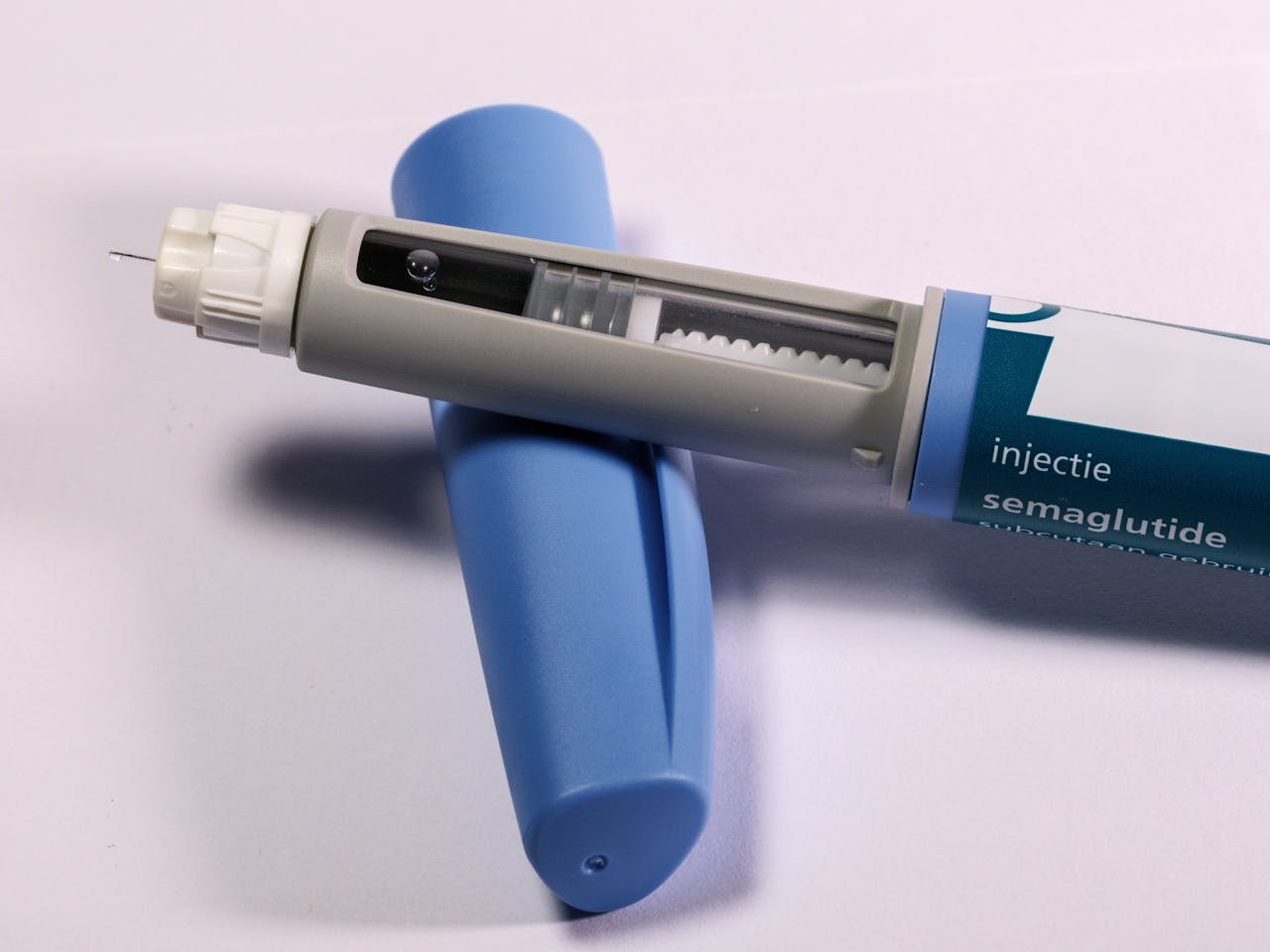
Weight loss conversations look very different now than they did a few years ago. More people are talking about GLP-1 medication, not because it sounds trendy, but because these treatments are helping many people finally feel in control of their appetite, cravings, and eating habits. For people dealing with obesity, weight-related health condition concerns, or years of frustrating diet cycles, GLP-1 drugs have opened the door to a different kind of support.
Still, finding the best GLP-1 for weight loss can feel confusing. Some medications are weekly injections, some are daily shots, and newer options are even being tested as a pill. Prices vary, insurance coverage is different for everyone, and side effects can make one option feel better than another depending on your body and health history. That is why it helps to understand how these medications work before deciding which one may fit your goals.
GLP-1s are a type of medication designed to help with blood sugar control, appetite, and weight management. The name comes from glucagon-like peptide-1, a natural hormone your body already makes after eating. This hormone sends signals to the brain that you are full, slows digestion, and helps regulate blood sugar levels.
Most GLP-1 receptor agonists were first used for type 2 diabetes, but researchers quickly noticed something important during clinical trial studies. Many patients were losing a significant amount of weight while taking them. That led to more research and eventually several FDA-approved medications for weight loss.
Today, GLP-1 drugs are used by people with obesity, patients with type 2 diabetes, and adults with at least one weight-related condition tied to excess body weight. Some are prescribed through primary care offices, while others are available through obesity care programs and online health platforms like Society.
One reason GLP-1 weight loss treatments work so well is because they target hunger in several ways at once. These medications interact with the glucagon-like peptide-1 receptor in the body and brain. This can reduce appetite, help people feel satisfied faster, and cut down on constant thoughts about food.
Many people also notice slower digestion after starting a GLP-1 agonist. Meals tend to feel more filling, which naturally lowers calorie intake without the same level of restriction many diets require.
Traditional weight-loss medications often focus on stimulants or short-term appetite suppression. GLP-1 receptor agonists work differently. Instead of creating a temporary burst of energy, they help regulate appetite and eating patterns over time.
That is why medications like semaglutide and tirzepatide became widely discussed in both obesity care and primary care settings. In several studies and systematic review and meta-analysis reports, researchers found strong average weight loss results when patients combined these medications with lifestyle changes, diet and exercise, and long-term support.
GLP-1s help with weight loss by acting on hormones connected to hunger, fullness, and blood sugar. After eating, the body naturally releases glucagon-like peptide-1. A glp-1 receptor agonist copies this process and keeps those signals active longer.
One of the biggest effects is slower digestion. Food stays in the stomach longer, which helps people feel full after smaller meals. Many people say they naturally stop snacking as much because their appetite changes without forcing it.
GLP-1 medication also helps control blood sugar, which matters for both diabetes and weight management. More stable blood sugar often means fewer crashes, fewer cravings, and less emotional eating.
A lot of people describe the experience as “quieting food noise.” Constant cravings may ease, which can make healthy habits feel easier to maintain. That is part of why GLP-1s are becoming a common tool in obesity care and weight-loss treatment plans.
Even though these medications can be powerful, they are not magic injections. Most clinicians still recommend diet and exercise alongside treatment. People usually see the best results when weight loss medication is combined with healthy routines, sleep, hydration, and movement.
Society Tirzepatide has quickly become one of the most talked-about agonists for weight loss because of the impressive results many people see over time. This injectable medication works on both the GLP-1 receptor and the GIP hormone pathway connected to appetite and blood sugar regulation. That dual action is one reason average weight loss numbers tend to stand out in clinical trial research.
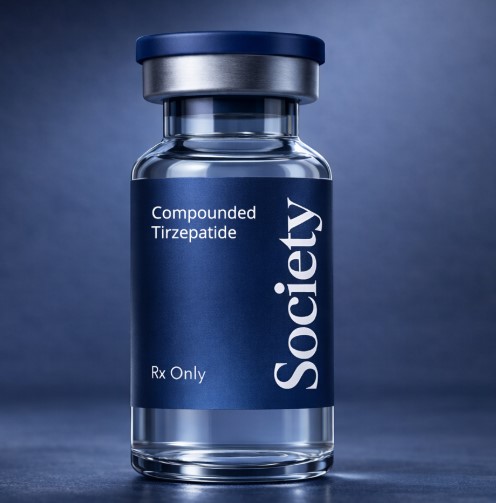
Many adults using tirzepatide report reduced appetite within the first few weeks. Meals often feel more filling, and cravings may become easier to manage. Some people who struggled with obesity or weight-related health concerns for years say the medication changed how they think about food altogether.
Society offers tirzepatide through a guided program that connects patients with a clinician who can review your medical history and determine whether treatment makes sense for your goals. The process feels more personal than many traditional primary care visits, especially for people who want support with long-term weight management.
Society Semaglutide became widely known after the medication gained attention for its substantial weight loss results. This GLP-1 medication works by lowering appetite, slowing digestion, and helping stabilize blood sugar levels.

Many people like semaglutide because it has been studied heavily and is now one of the most recognized GLP-1 drugs available. Injectable semaglutide, in particular, was FDA approved for weight loss after studies showed many participants lost a significant amount of weight over time.
Society’s semaglutide program focuses on support and simplicity. Patients can connect with a health care provider online and discuss their starting weight, BMI, goals, and medical history before treatment is prescribed.
Victoza is another GLP-1 receptor agonist used for both diabetes and weight-loss support. Unlike weekly medications, liraglutide is usually taken as a daily injection.
Some people prefer Victoza because clinicians have years of experience prescribing it. It may also feel like a more manageable starting point for adults who want a slower adjustment period with fewer stomach-related issues.
While average weight loss is often lower compared to tirzepatide or semaglutide, many people still see meaningful progress when pairing it with lifestyle changes and consistent habits.
Orforglipron is gaining attention because it may offer something many people want: a GLP-1 pill instead of an injection. Developed as an oral GLP-1 receptor agonist, this medication is still newer than options like semaglutide or tirzepatide, but early clinical trial results have created a lot of excitement.
For people nervous about injections, a pill format could make GLP-1 weight loss treatment feel less intimidating. Researchers are studying how well it supports appetite control, body weight reduction, and blood sugar management.
Because it is still newer, long-term data is more limited compared to older GLP-1s. Even so, many experts believe oral medications may become a major part of future obesity care.
Byetta was one of the earlier GLP-1 drugs used for diabetes management and weight-related support. While newer medications now dominate headlines, exenatide still has a place for some patients.
Byetta helps regulate blood sugar and appetite, though weight-loss outcomes are generally less dramatic than newer receptor agonist options. Still, some clinicians continue to prescribe it for certain patients based on medical history and treatment goals.
For people looking for a more established medication with years of real-world use, Byetta may still be worth discussing with a health care provider.
The cost of glp-1 treatment is often the first concern people have. Some medications can cost hundreds of dollars each month without insurance coverage. Depending on the provider and treatment plan, prices may range from around 299 per month to 349 per month or more.
Coverage varies widely, especially when medications are prescribed off-label for weight loss instead of diabetes treatment.
Some people are comfortable using a weekly injection, while others strongly prefer a pill. Injectable medications currently have the strongest weight-loss data overall, but oral options are becoming more common.
The most common side effects include nausea, vomiting, bloating, constipation, and other gastrointestinal side effects. Most improve over time, but some people need dose changes for better side effect management.
Patients should also discuss thyroid cancer risk, gallbladder disease, and personal health history with a clinician before starting treatment. Many GLP-1 drugs are not recommended for people with a history of medullary thyroid carcinoma or endocrine neoplasia syndrome type 2.
Your starting weight, body mass index, and overall health can influence which medication may fit best. Some people want aggressive weight loss, while others mainly want help controlling appetite and improving eating habits.
GLP-1 medication works best when viewed as part of long-term weight management instead of a quick fix. Many people regain weight after stopping treatment if healthy routines are not maintained. That is why clinicians often recommend combining medication with sustainable lifestyle changes.
The best GLP-1 for weight loss really depends on your goals, medical history, comfort level, and budget. Some people want the strongest possible weight-loss results, while others care more about affordability, convenience, or avoiding injections.
Tirzepatide and semaglutide continue to lead many conversations because of their strong results in obesity and weight management studies. Older medications like liraglutide and exenatide still help many people, while newer treatments like orforglipron could change how GLP-1s are used in the future.
No matter which option you consider, it is important to work with a trusted clinician or health care provider who can review your medical history, explain possible side effects, and help you build a realistic long-term plan. For many adults struggling with obesity or weight-related health condition concerns, GLP-1 medication has become more than a trend. It has become a real tool for lasting change.

.png)

.png)




.svg)
.svg)


