
Weight loss can feel strange sometimes. One month you’re fully motivated, buying healthier groceries and planning workouts, and the next you’re standing in the kitchen at 10 p.m. wondering why you still feel hungry after dinner. That back and forth is part of why so many people have started looking into injections for weight loss. For some, it is less about chasing a quick fix and more about finally getting a little help with appetite, cravings, and staying consistent.
The conversation around weight loss medication has changed a lot over the last few years. These treatments are no longer something people whisper about online. Doctors now use injectable medications as part of medically supervised weight loss plans for adults with obesity, people with type 2 diabetes, and those dealing with weight related health concerns like high blood pressure or metabolic health issues. The best weight loss injections are usually combined with lifestyle changes, diet and exercise, and realistic long term goals instead of extreme dieting.
A weight loss injection is a prescription medication given through a small shot under the skin. Most of the popular options today belong to a group called GLP 1 receptor agonist medications. These treatments were originally designed to help people manage blood sugar and diabetes, but doctors noticed something else happening along the way. Many patients were also losing weight.
That happened because these injections work with the body’s natural hunger signals. They help regulate appetite, slow digestion, and make people feel full sooner. Instead of constantly thinking about snacks or second portions, many people notice food becoming quieter in the background. That shift alone can completely change someone’s weight loss journey.
Some injections for weight loss are taken once a week, while others are daily. Most are administered as a subcutaneous injection, meaning the medication goes just under the skin. A healthcare provider will usually look at body weight, medical history, cardiovascular disease risk, and personal or family history before deciding whether someone is a candidate for weight loss injections.
Most weight loss drugs work by helping the brain and stomach communicate differently. Medications like semaglutide and liraglutide are GLP 1 receptor agonist treatments, while tirzepatide works as a dual GIP and GLP 1 receptor agonist. That sounds technical, but the experience for most people feels much simpler than the science behind it.
You eat, and you stay full longer. Cravings may calm down. Late night snacking becomes easier to avoid. Some people even describe it as finally being able to think clearly around food again. These medications can also help support blood sugar balance, which is why several were first used for diabetes care before becoming widely used weight loss medication options.
Still, even the best injection for weight loss is not meant to replace healthy habits. The people who usually see the best weight loss results are the ones pairing medication with lifestyle changes, movement, sleep, and realistic eating habits they can actually maintain long term.
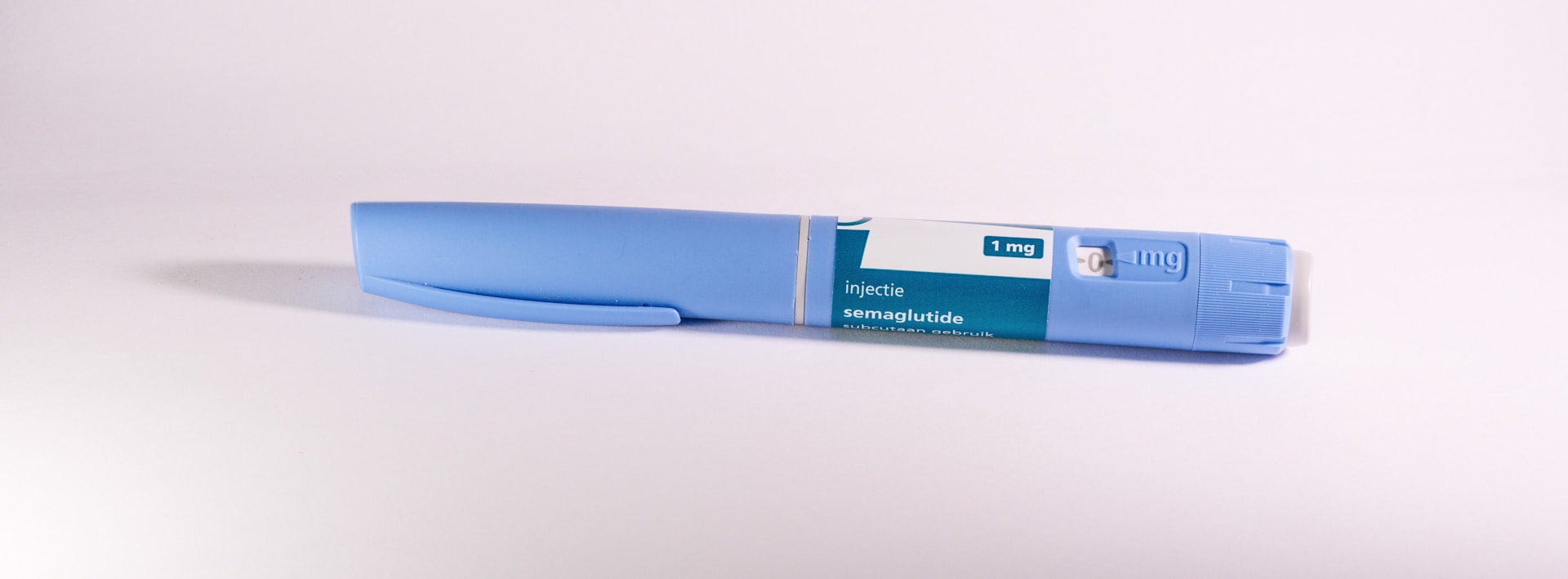
Semaglutide became one of the biggest names in weight management for a reason. It helps many people feel satisfied with smaller meals without feeling like they are constantly fighting hunger. That matters more than people think. When appetite settles down, sticking to healthier choices often feels less exhausting.
This GLP 1 receptor agonist is connected to medications like Wegovy and Ozempic, and it is widely used for chronic weight management. Society offers Compounded Semaglutide for people looking for a more supported and structured approach to prescription weight loss. Because it is usually taken as a weekly injection, many people find it easier to keep up with compared to daily treatments. For someone considering weight loss injections for the first time, semaglutide often feels like a manageable starting point.
Tirzepatide has become one of the top weight loss treatments for people looking for more noticeable weight reduction. Unlike other GLP 1 for weight loss medications, tirzepatide works on both GIP and GLP 1 receptors. That extra layer is part of why many people experience stronger appetite control and greater fat loss over time.
People often talk about tirzepatide as the medication that finally helped things “click.” Meals feel smaller naturally. Cravings are quieter. The constant urge to snack throughout the day may ease up. Society offers Compounded Tirzepatide for adults looking for medically supervised weight loss support that fits into real life instead of demanding perfection. For many people, it has become one of the best weight loss shots currently available.
Liraglutide has been around longer than some of the newer injectable medications, and for many people, that familiarity feels reassuring. It is another GLP 1 receptor agonist used for weight management and diabetes care. Unlike semaglutide or tirzepatide, liraglutide is taken daily rather than weekly.
That daily routine will not appeal to everyone, but some people actually prefer it because it feels more structured. Weight loss with liraglutide is often gradual rather than dramatic. Still, gradual weight loss can sometimes feel more sustainable, especially for people trying to build long term habits instead of rushing toward quick results.
Dulaglutide was first created for type 2 diabetes, but many people also noticed changes in appetite and body weight while using it. Like other injections for weight loss, it works by helping people stay full longer and eat less without constantly feeling restricted.
One thing people like about dulaglutide is the simplicity. It is usually a weekly injection, and the process tends to feel straightforward. While it may not deliver the same amount of weight loss as tirzepatide for some users, it can still support effective weight management and healthier eating patterns over time.
Exenatide does not get talked about as much anymore, mostly because newer weight loss drugs have taken over the spotlight. Even so, it still works well for some people. It helps slow digestion, regulate appetite, and support weight management in a steady way.
This medication may not lead to the dramatic before and after stories people often associate with newer treatments, but not everyone is looking for rapid results. Some people simply want support that feels steady and manageable. Exenatide can still be an effective weight loss option for the right candidate for weight loss injections.
If hunger feels constant no matter what you eat, semaglutide or tirzepatide may be worth discussing with a healthcare provider. These medications are known for helping people regulate appetite and reduce cravings in a way that feels noticeable day to day.
Tirzepatide is often linked to greater average weight reduction compared to older weight loss medication options. For people focused on significant fat loss or larger changes in body weight, this may feel like the strongest option.
Weekly injection schedules usually fit more easily into busy routines. Semaglutide, tirzepatide, and dulaglutide are all options people choose because they do not require daily injections.
Some people prefer starting with a medication that has been around longer and has a more established history. Liraglutide often appeals to people who want a slower and steadier weight loss journey.
Every weight loss injectable comes with potential side effects and health considerations. A healthcare provider may ask about high blood pressure, cardiovascular disease, diabetes, medical history, or family history of medullary thyroid cancer before prescribing treatment. That is part of making sure the medication matches the person, not just the number on the scale.
The best weight loss injections are not always the newest or strongest ones. Sometimes the right choice is simply the medication that fits your life well enough for you to stay consistent with it. For one person that may be tirzepatide because of the amount of weight loss it can support. For someone else, it may be semaglutide because the weekly routine feels easier to maintain.
What matters most is finding an approach that supports real change without making everyday life feel miserable. Weight management tends to work better when people stop chasing perfection and start building habits they can actually live with long term. The right weight loss injection can help make that process feel a little less difficult.
Many people consider tirzepatide and semaglutide the best weight loss injections because they are linked to strong weight loss results and appetite control. The best choice depends on health history, weight loss goals, and how your body responds to the medication.
Tirzepatide may lead to greater average weight loss for some people because it targets both GIP and GLP 1 receptors. Semaglutide is still highly effective for weight management and may feel easier for some users to tolerate.
Tirzepatide currently shows some of the strongest results for effective weight loss and weight reduction in many studies. Still, success often depends on consistency, lifestyle changes, diet and exercise habits, and long term follow through.

.png)

.png)




.svg)
.svg)


