
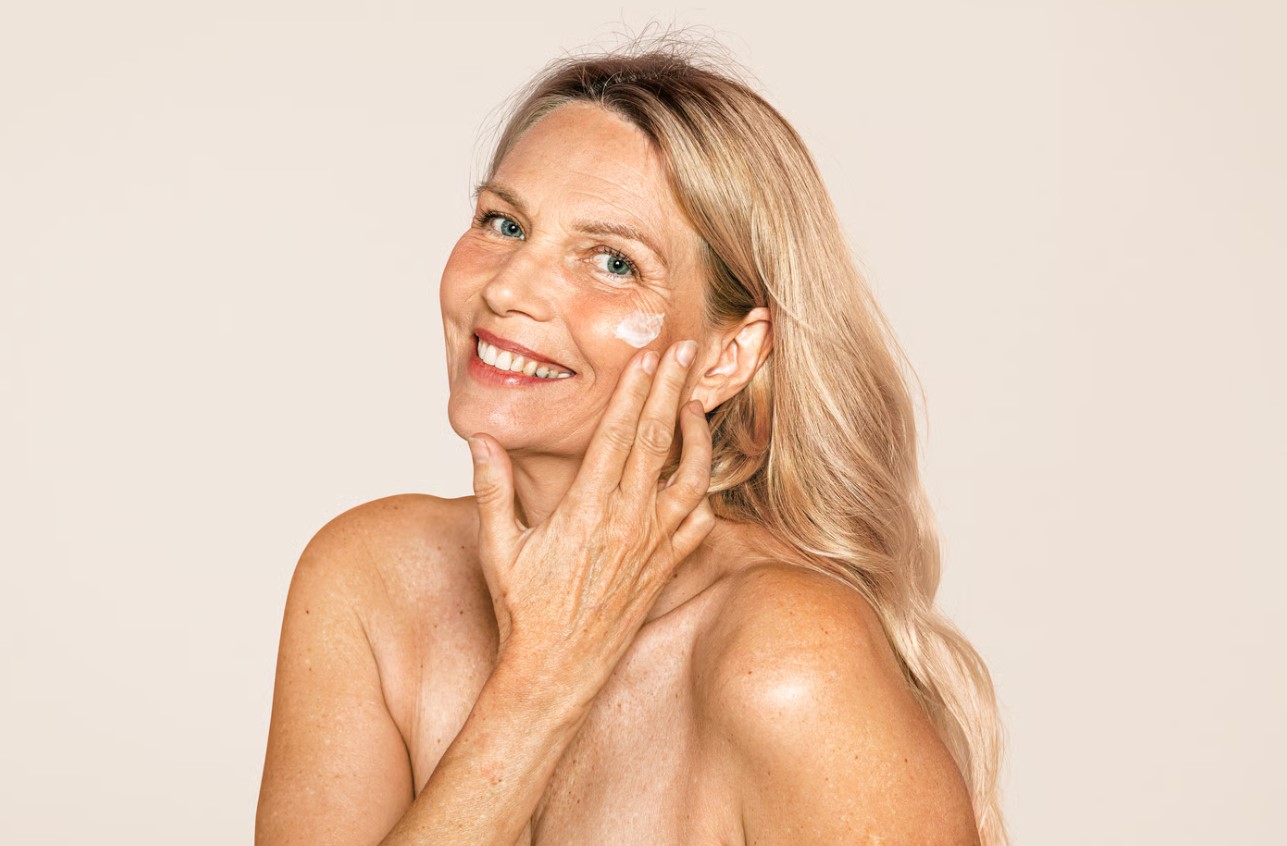
If you've noticed your skin looking less firm, more prone to fine lines, or generally different than it did a decade ago, collagen loss is likely playing a significant role. Collagen is one of the most talked-about topics in skincare, but between marketing claims and genuine science, it can be hard to know what actually helps. Here's what's happening beneath the surface—and what evidence-based options can address it.
What Is Collagen, and Why Does It Matter?
Collagen is the most abundant protein in your body, forming a structural network that gives skin its firmness, elasticity, and strength. Think of it as the scaffolding that keeps skin looking plump and resilient. Without adequate collagen, skin gradually loses structure, leading to sagging, fine lines, and a less youthful appearance.
Why Collagen Declines With Age
Collagen production naturally slows as we age, with research suggesting production can decline significantly by middle age compared to earlier adulthood. Several factors contribute to this decline, including:
This decline isn't just cosmetic—it reflects broader changes in the skin's ability to repair and renew itself over time.
Signs of Collagen Loss
Common visible signs associated with declining collagen include:
What Doesn't Actually Help Much
Many skincare products marketed as "collagen-boosting" contain collagen molecules that are too large to be absorbed through the skin when applied topically. While these products may offer surface-level hydration, they generally don't meaningfully increase your skin's own collagen production.
What Actually Supports Collagen Production
Sun Protection
Since UV exposure is one of the leading causes of collagen breakdown, daily broad-spectrum SPF is one of the most effective, evidence-based ways to protect existing collagen and prevent further damage.
Retinoids
Retinoids are among the most well-researched ingredients for stimulating collagen production, working by increasing cell turnover and signaling the skin to produce more collagen over time.
Vitamin C
As an antioxidant, vitamin C helps protect existing collagen from oxidative damage while also playing a role in the collagen synthesis process itself.
Copper Peptides (GHK-Cu)
GHK-Cu is a naturally occurring copper peptide that plays a direct role in stimulating collagen and elastin production as part of the skin's natural repair processes. Because natural GHK-Cu levels also decline with age, topical support through GHK-Cu Cream is designed to help address this gap directly, working through a different mechanism than retinoids or vitamin C alone.
Nutrition and Lifestyle
Adequate protein intake, vitamin C-rich foods, and avoiding smoking all support the body's natural collagen production processes from within, complementing topical treatment.
Building a Collagen-Support Routine
Because different ingredients support collagen through different mechanisms, many effective routines combine approaches—for example, daily sun protection, a retinoid or vitamin C product, and a copper peptide treatment like GHK-Cu Cream—rather than relying on a single ingredient alone.
Setting Realistic Expectations
Collagen production is a gradual process, and any treatment targeting it—whether retinoids, vitamin C, or GHK-Cu—typically requires consistent use over several weeks to months before visible improvements in skin firmness and texture become noticeable.
The Bottom Line
Collagen loss is a natural, well-documented part of aging, but it isn't something you have to simply accept. Evidence-based options like sun protection, retinoids, vitamin C, and copper peptides like GHK-Cu work through different but complementary mechanisms to support your skin's natural structure and firmness over time.
Want to build a collagen-support routine that fits your skin? Connect with a Society provider to get started.



.png)

.png)




.svg)
.svg)


