
When people think about hair loss or thinning, most of the focus goes straight to the hair itself—products, treatments, and styling routines. But hair doesn't grow in isolation. It grows from follicles rooted in your scalp, which means scalp health plays a foundational role in hair growth that's often overlooked entirely.
Why the Scalp Matters More Than You Think
Think of your scalp as the soil your hair grows from. Just as healthy soil supports strong plant growth, a healthy scalp environment supports strong, consistent hair growth. When scalp health is compromised—through inflammation, poor circulation, or buildup—it can directly impact how well hair follicles function, regardless of what treatments you're using on the hair itself.
Signs of an Unhealthy Scalp
Several signs can indicate your scalp environment may need attention, including:
These issues can sometimes be dismissed as minor annoyances, but chronic scalp inflammation in particular has been linked to disrupted hair growth cycles over time.
How Scalp Health Impacts Hair Growth
Circulation
Hair follicles rely on adequate blood flow to receive the oxygen and nutrients needed for healthy growth. Poor scalp circulation can leave follicles under-nourished, potentially contributing to weaker, thinner hair growth over time.
Inflammation
Chronic scalp inflammation—whether from conditions like seborrheic dermatitis, psoriasis, or simply prolonged irritation—can interfere with the hair growth cycle, sometimes pushing follicles into a resting or shedding phase prematurely.
Follicle Health
Product buildup, excess oil, and dead skin cells can accumulate around hair follicles, potentially clogging them and interfering with healthy growth over time if not properly managed.
Gentle, Regular Cleansing
Regularly cleansing the scalp helps remove buildup, excess oil, and product residue, creating a cleaner environment for follicles. Avoid overly harsh shampoos that strip natural oils, as this can trigger a compensatory increase in oil production.
Exfoliation
Occasional gentle scalp exfoliation can help remove dead skin cells and buildup that regular shampooing may not fully address, supporting a clearer follicle environment.
Managing Underlying Conditions
If you experience persistent dandruff, itchiness, or irritation, addressing the underlying cause—whether it's a fungal, inflammatory, or product-related issue—is an important step in supporting long-term scalp and hair health.
Supporting Circulation
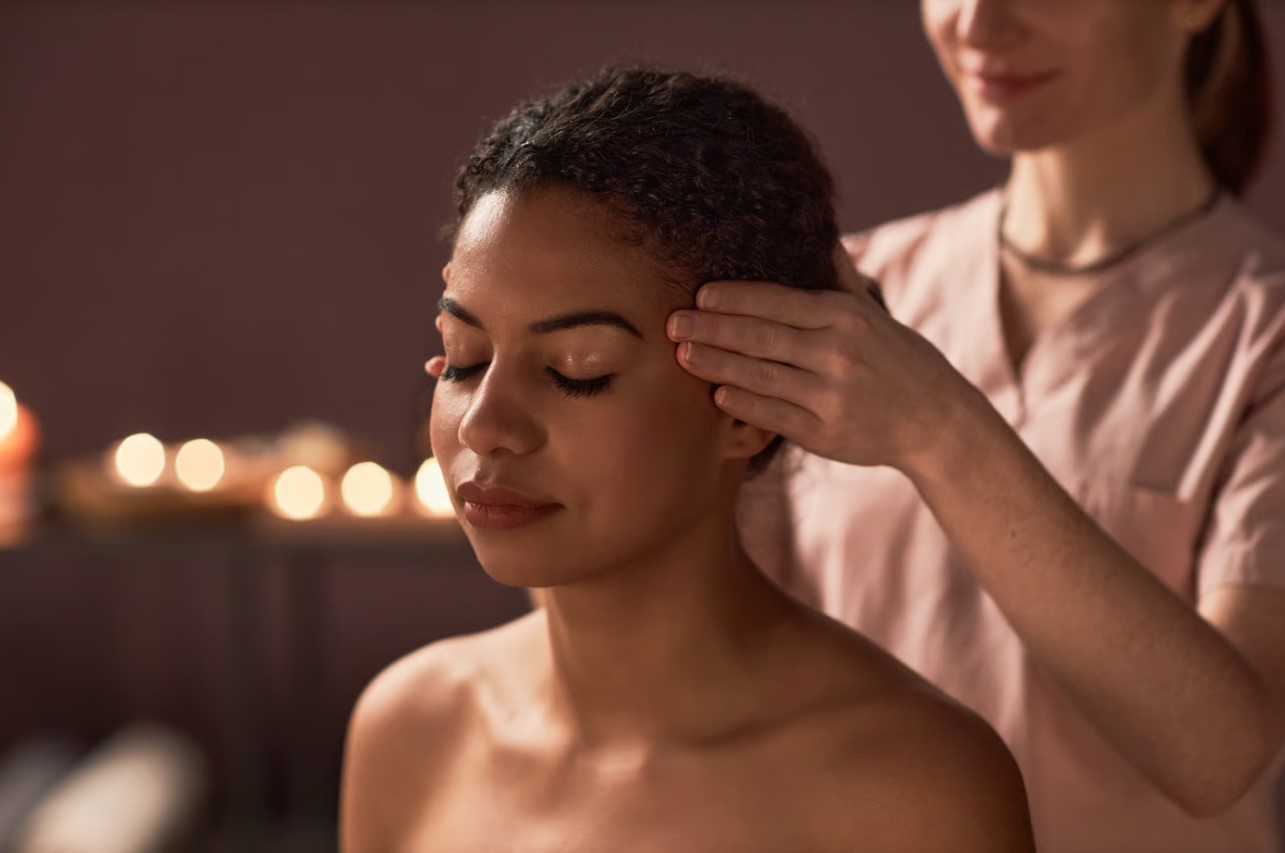
Gentle scalp massage has been associated with improved circulation to hair follicles, potentially supporting a healthier growth environment when practiced consistently.
Protecting the Scalp
Just like skin elsewhere on the body, the scalp benefits from sun protection, particularly for those with thinning hair or a more exposed scalp.
Scalp Health and Treatment Effectiveness
For those using hair loss treatments, scalp health can directly influence how effective those treatments are. A healthier scalp environment—with better circulation and reduced inflammation—may help hair follicles respond more effectively to treatments designed to support growth.
This is part of why topical treatments like GHK-Cu Cream, which supports tissue renewal and the follicle environment directly, are often used alongside treatments like Finasteride, which addresses hair loss at a hormonal level. Together, they address both the internal cause of hair loss and the local environment the follicles depend on.
When to See a Provider
Persistent scalp issues—including ongoing irritation, unusual patches, or significant flaking that doesn't improve with basic care—are worth discussing with a healthcare provider or dermatologist, as they may indicate an underlying condition requiring specific treatment.
The Bottom Line
Healthy hair growth starts well before the hair itself—it starts with the scalp. Supporting circulation, managing inflammation, and maintaining a clean, balanced scalp environment lays the foundation for hair treatments to work as effectively as possible.
Want to build a complete scalp and hair health plan? Connect with a Society provider to get started.



.png)

.png)




.svg)
.svg)


